Rose and Berry Grove
Conceived by Lorene Blanche, planted and cared for with the Gardens Community
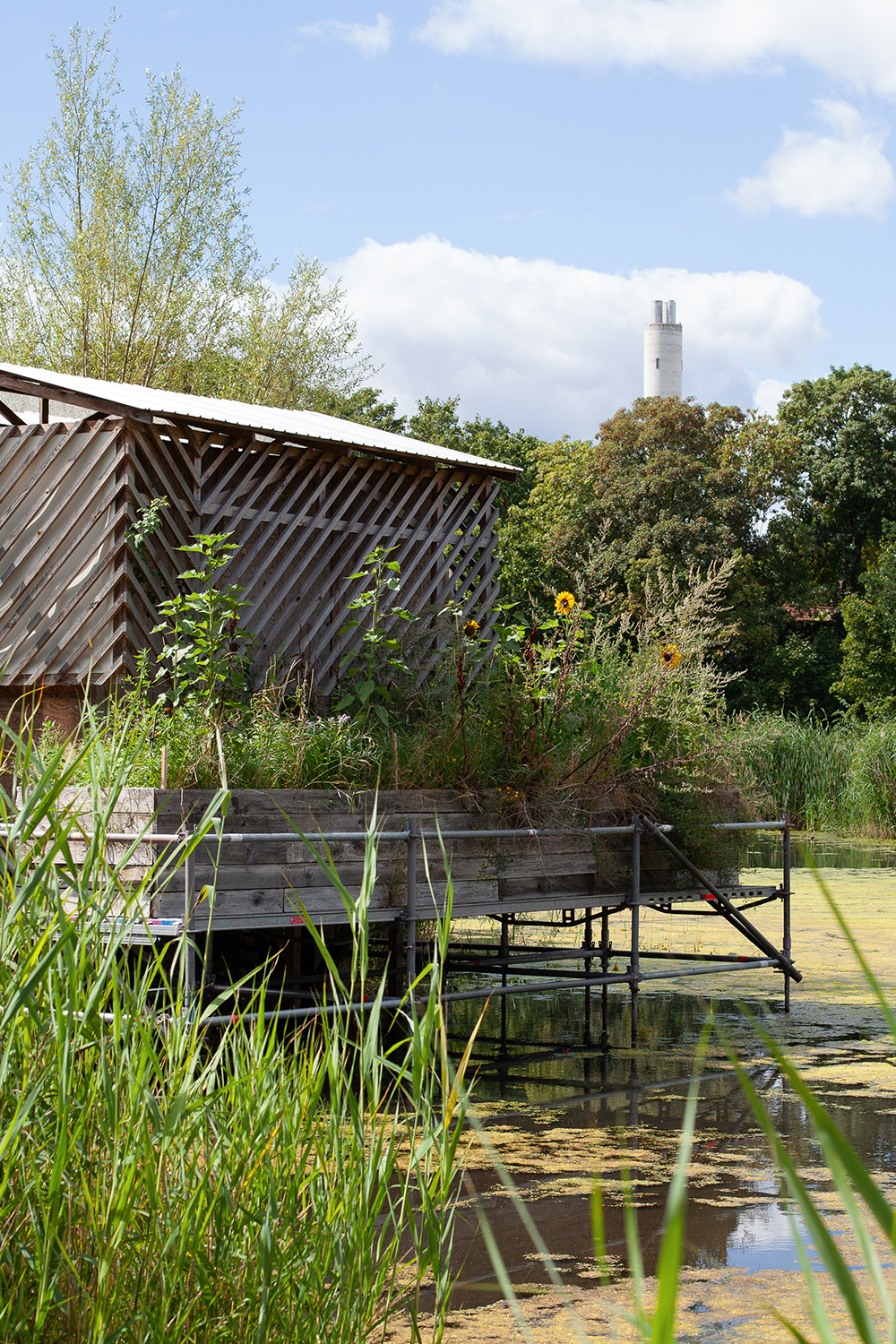
Rose and Berry Grove growing in the Floating Kitchen Garden. Photo (s) Ru, Studio Selva (2026)
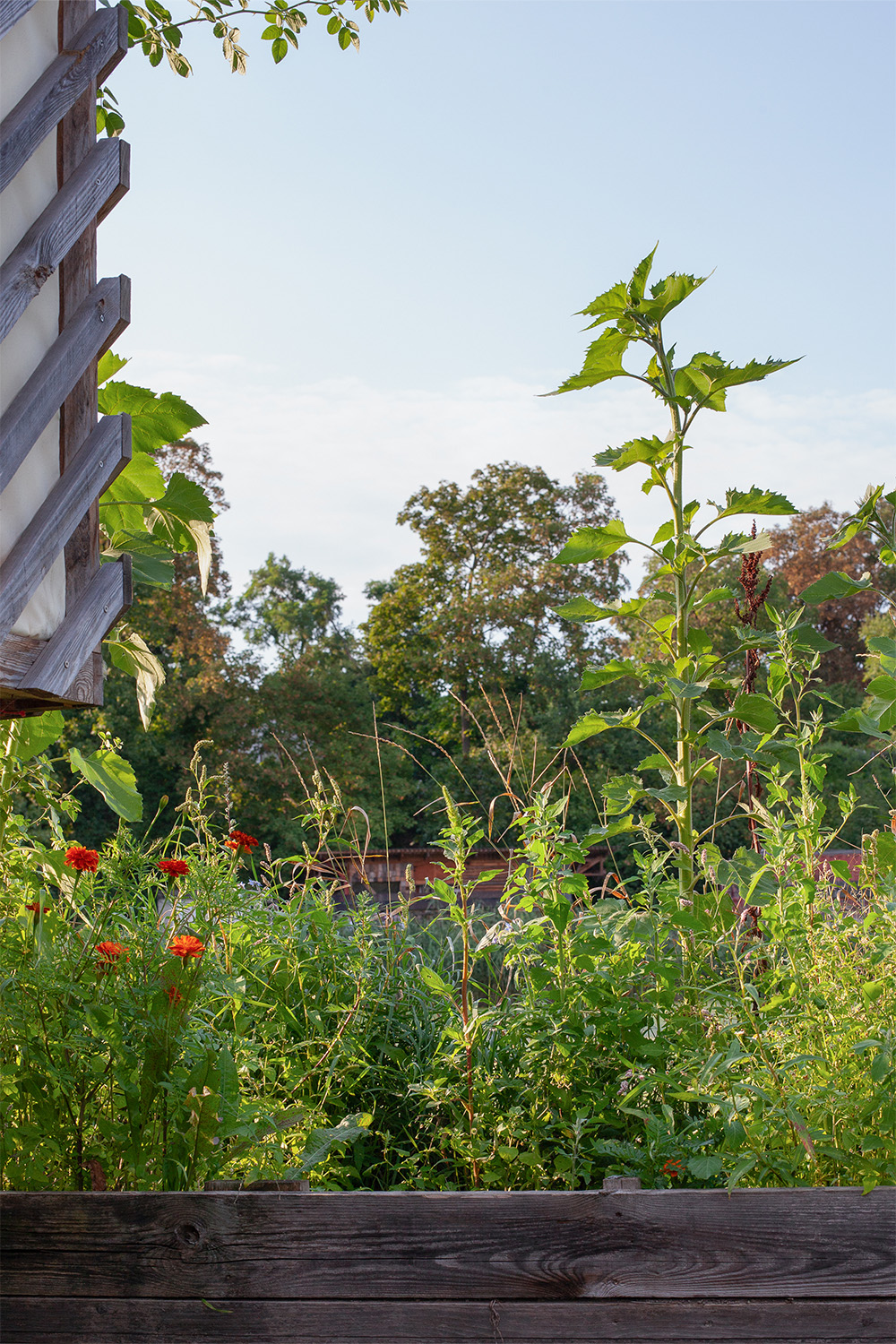
Rose and Berry Grove growing in the Floating Kitchen Garden. Photo (s) Ru, Studio Selva (2026)
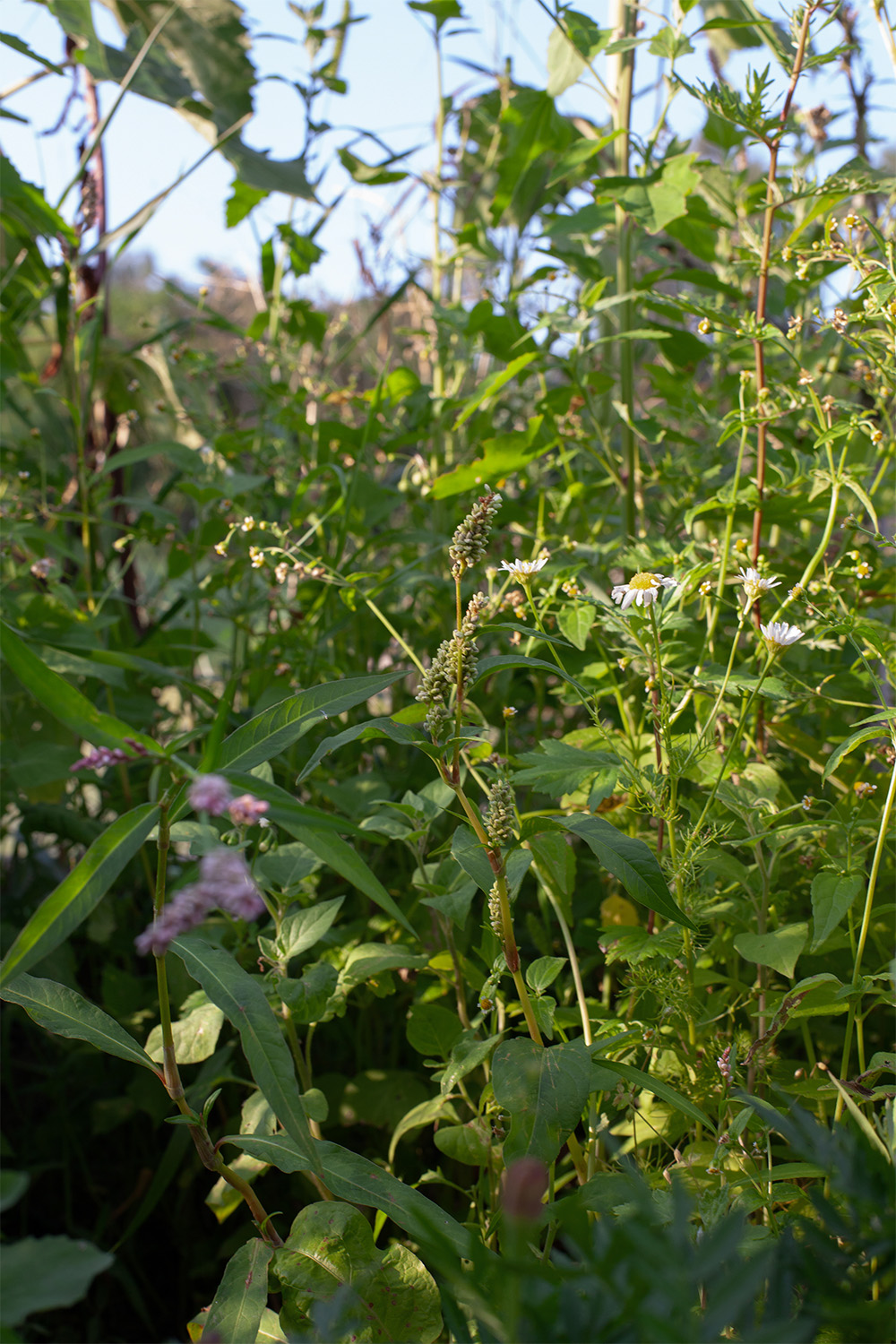
Rose and Berry Grove growing in the Floating Kitchen Garden. Photo (s) Ru, Studio Selva (2026)
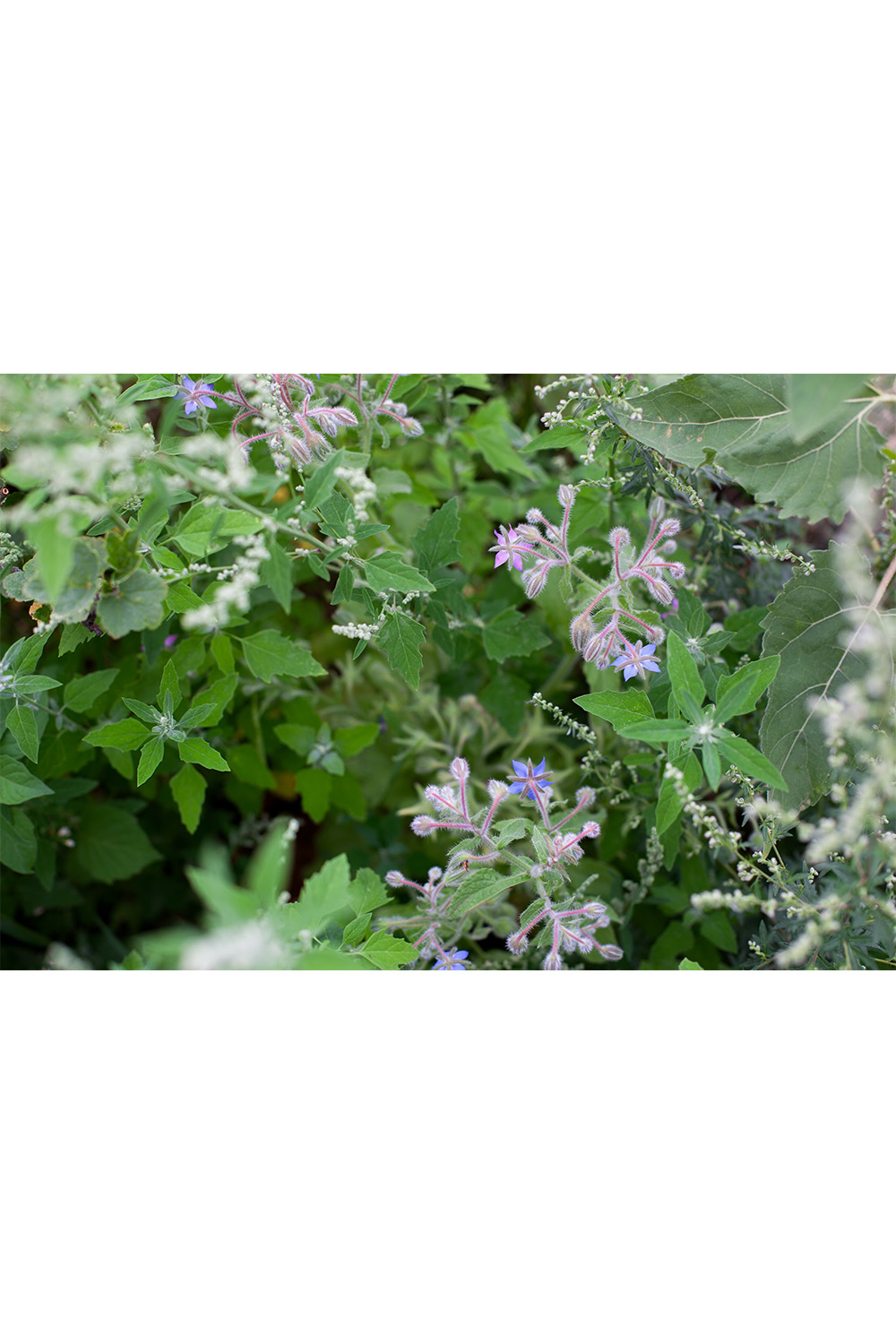
Rose and Berry Grove growing in the Floating Kitchen Garden. Photo (s) Ru, Studio Selva (2026)
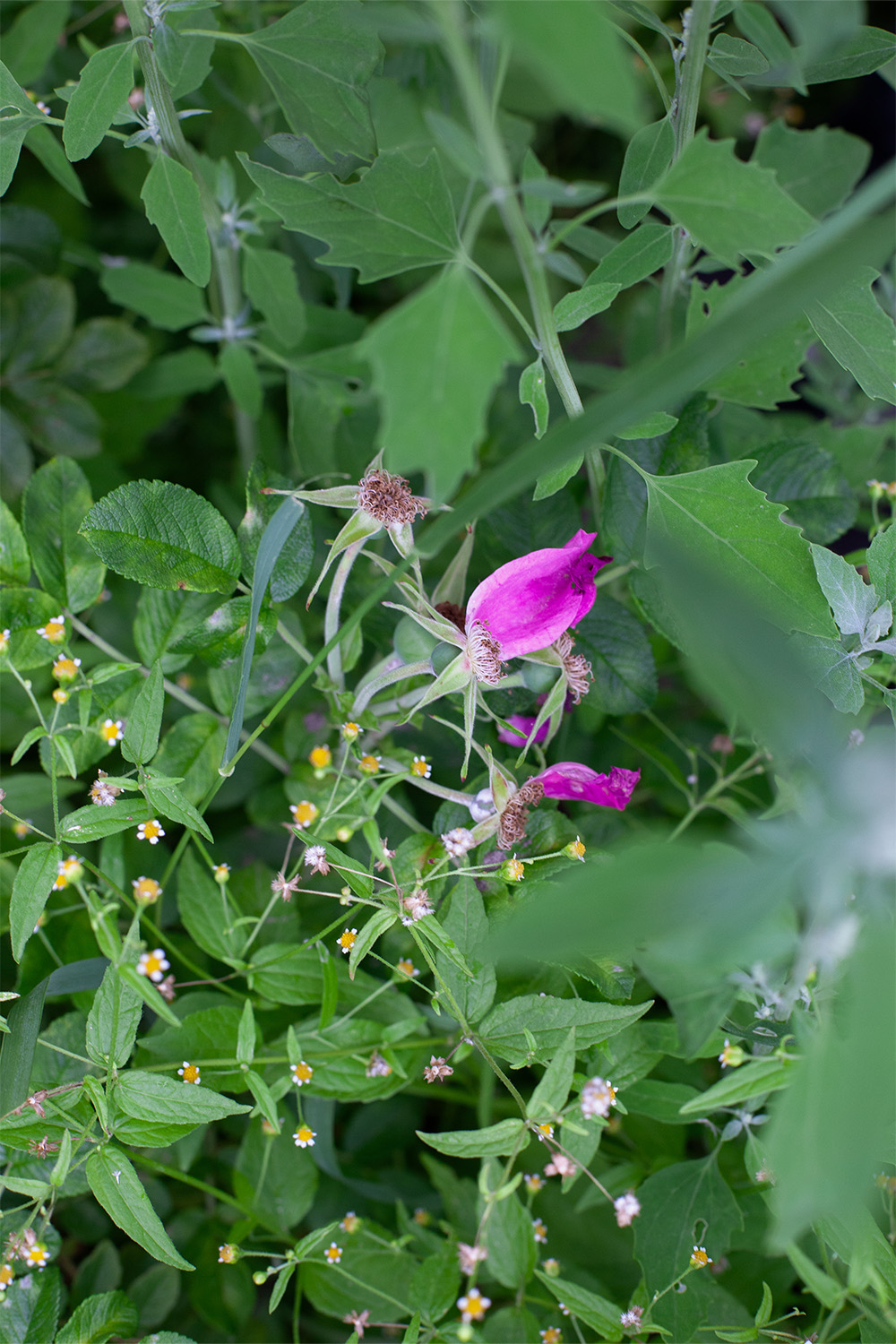
Rose and Berry Grove growing in the Floating Kitchen Garden. Photo (s) Ru, Studio Selva (2026)
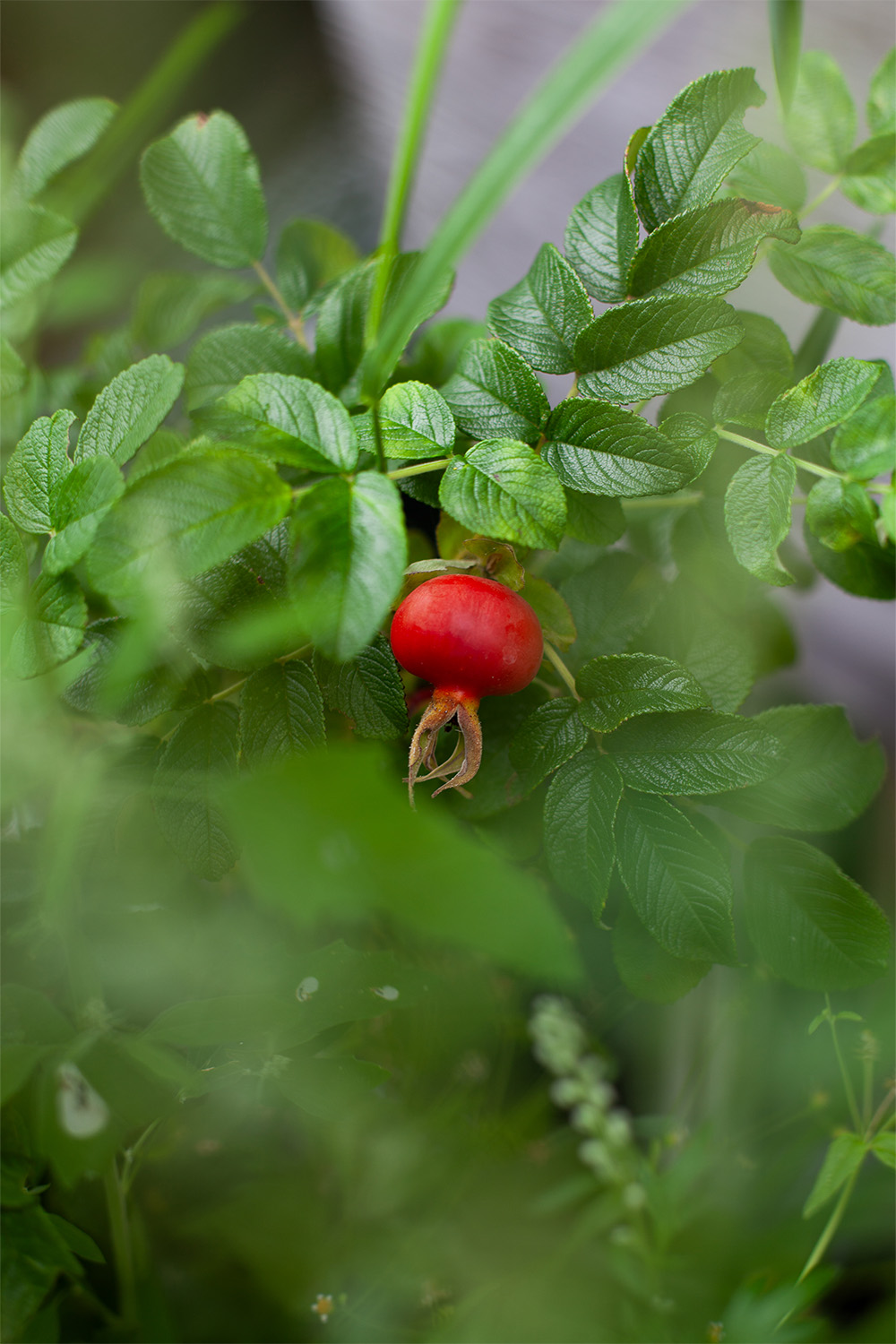
Rose and Berry Grove growing in the Floating Kitchen Garden. Photo (s) Ru, Studio Selva (2026)
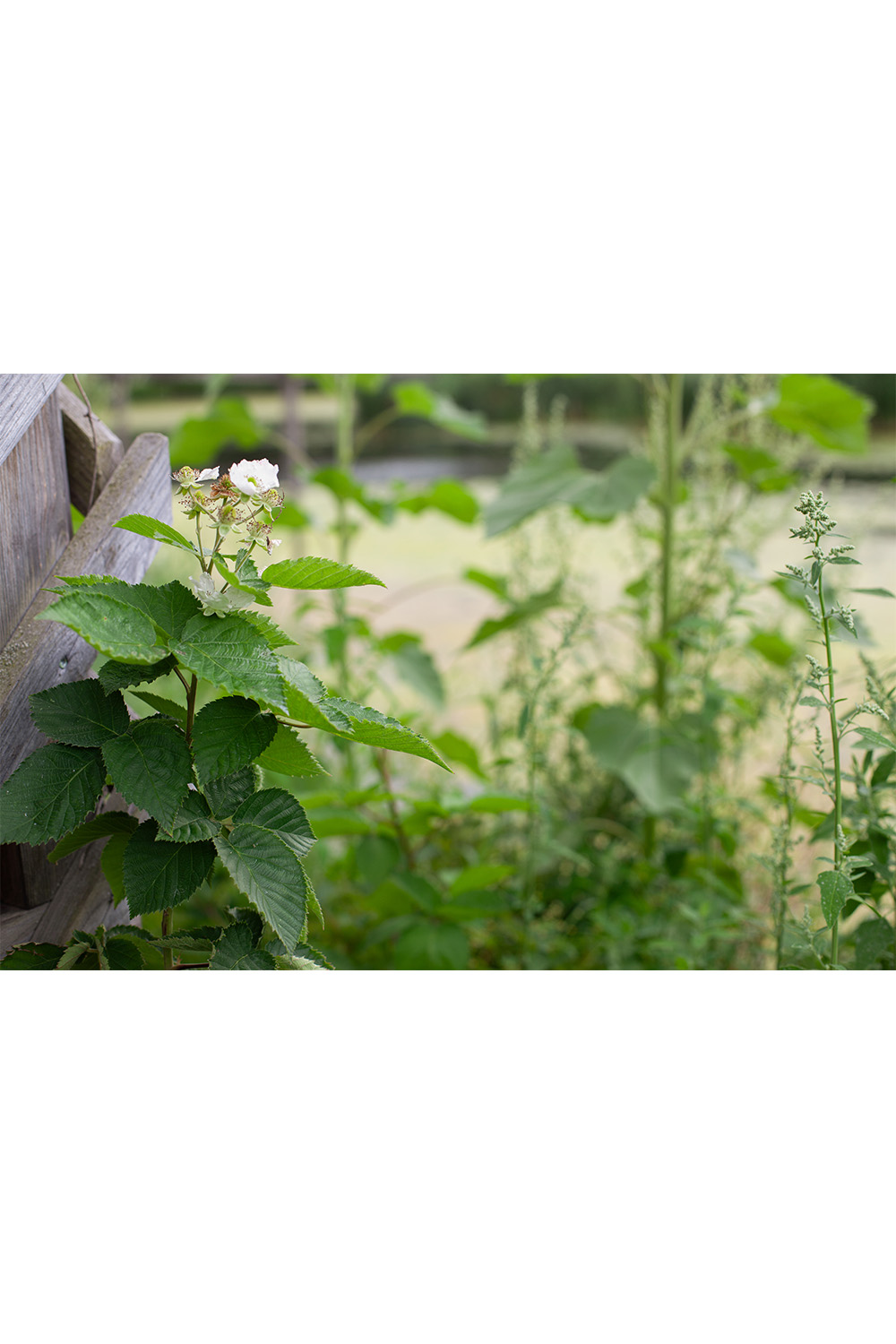
Rose and Berry Grove growing in the Floating Kitchen Garden. Photo (s) Ru, Studio Selva (2026)
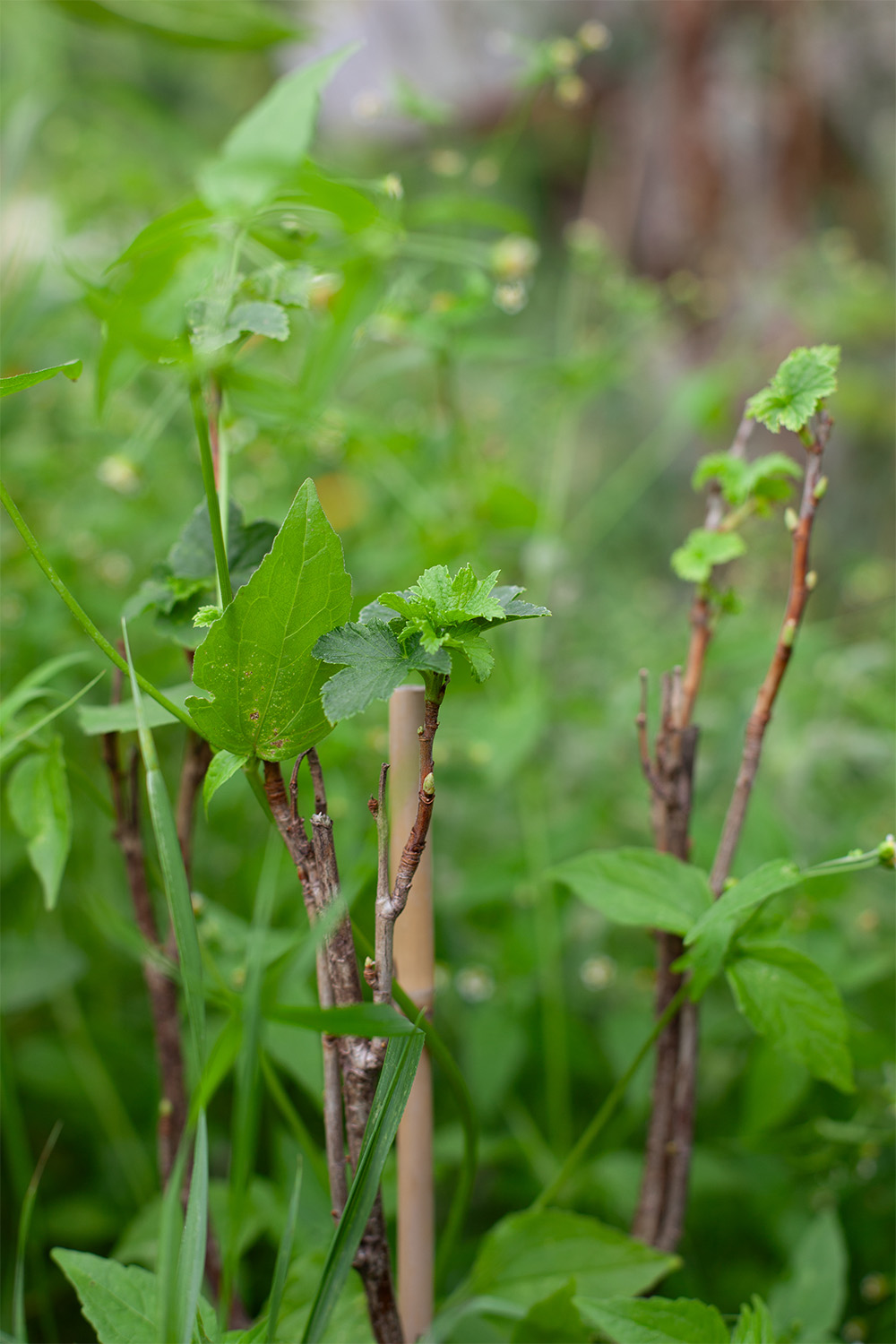
Rose and Berry Grove growing in the Floating Kitchen Garden. Photo (s) Ru, Studio Selva (2026)
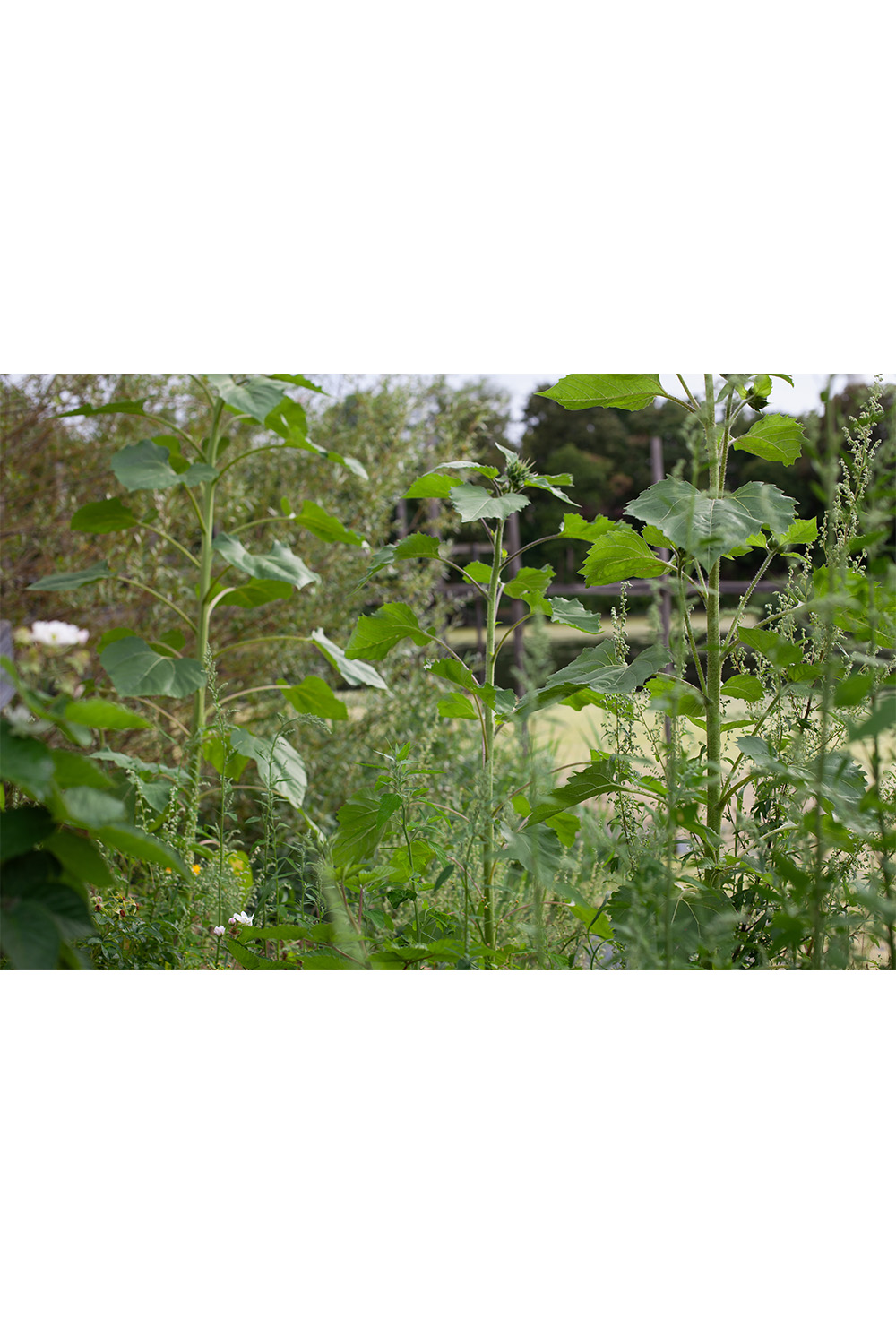
Rose and Berry Grove growing in the Floating Kitchen Garden. Photo (s) Ru, Studio Selva (2026)
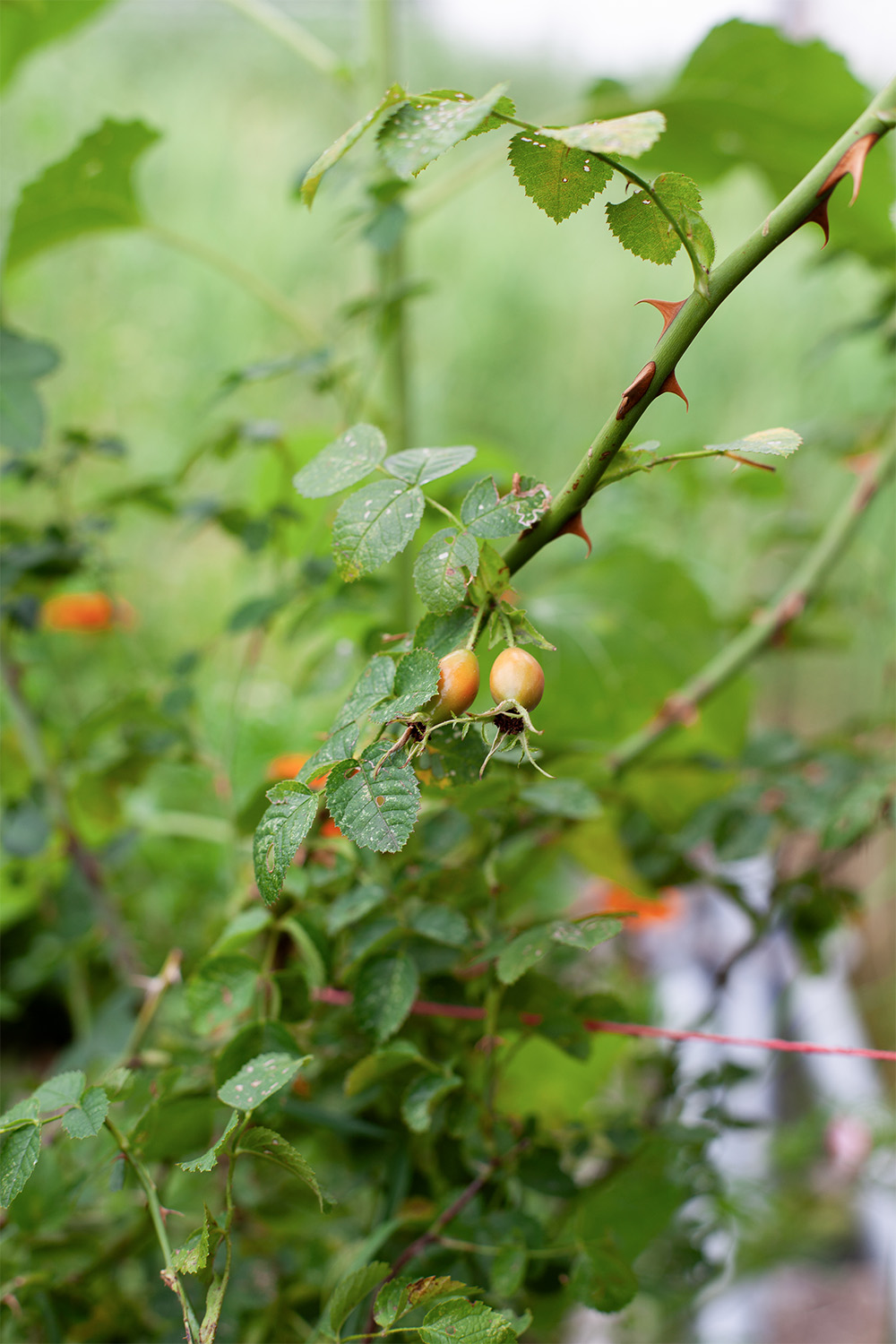
Rose and Berry Grove growing in the Floating Kitchen Garden. Photo (s) Ru, Studio Selva (2026)
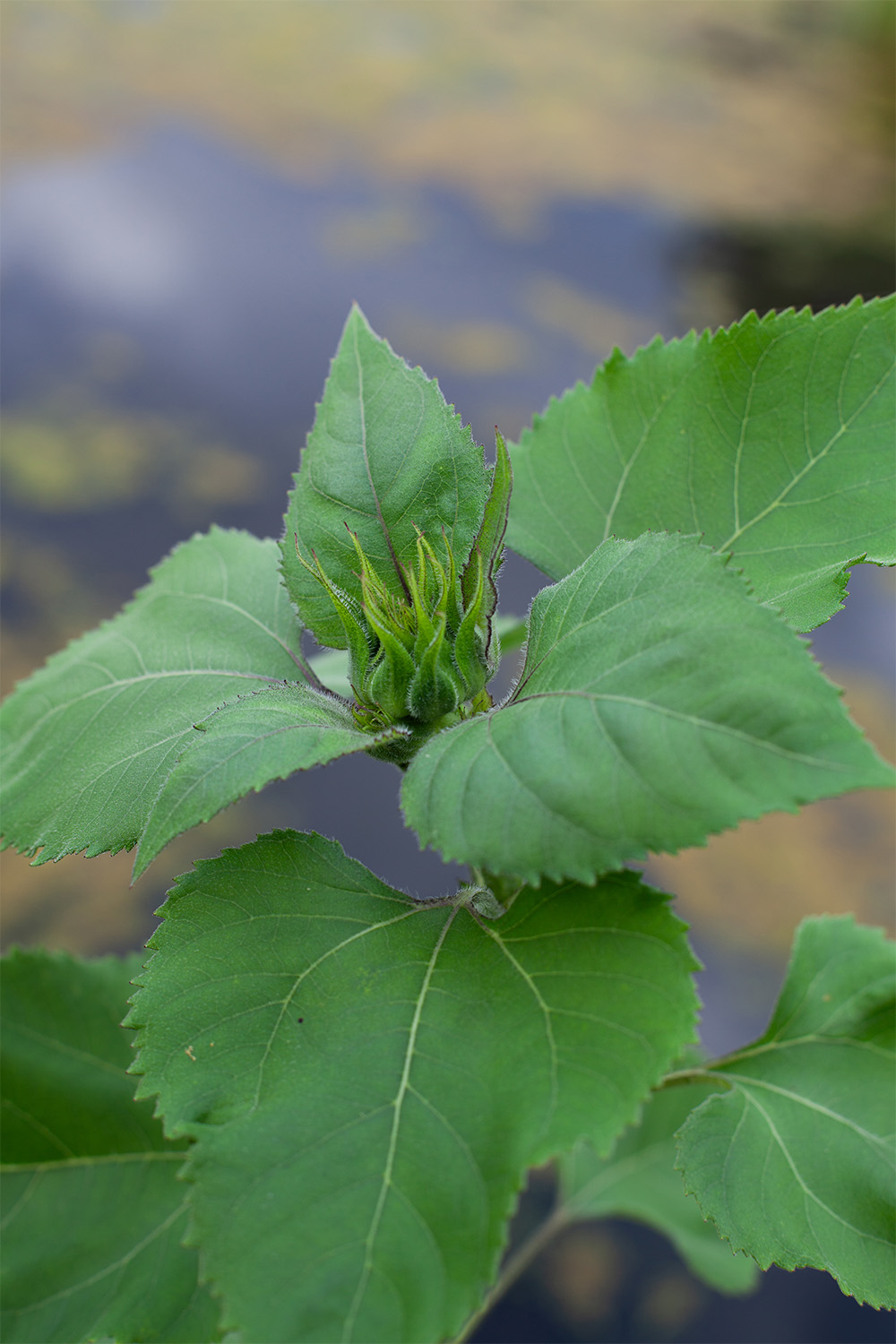
Rose and Berry Grove growing in the Floating Kitchen Garden. Photo (s) Ru, Studio Selva (2026)
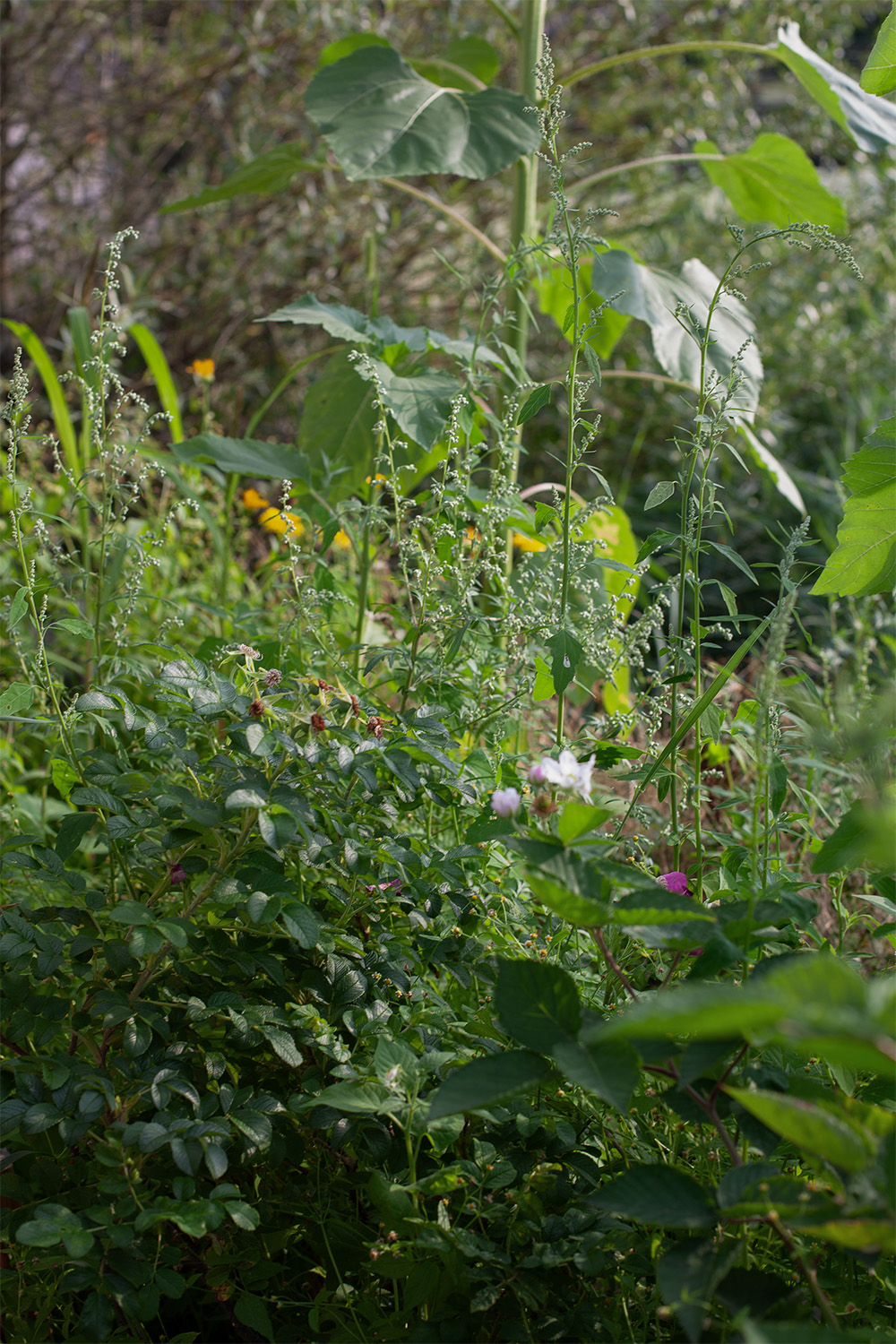
Rose and Berry Grove growing in the Floating Kitchen Garden. Photo (s) Ru, Studio Selva (2026)
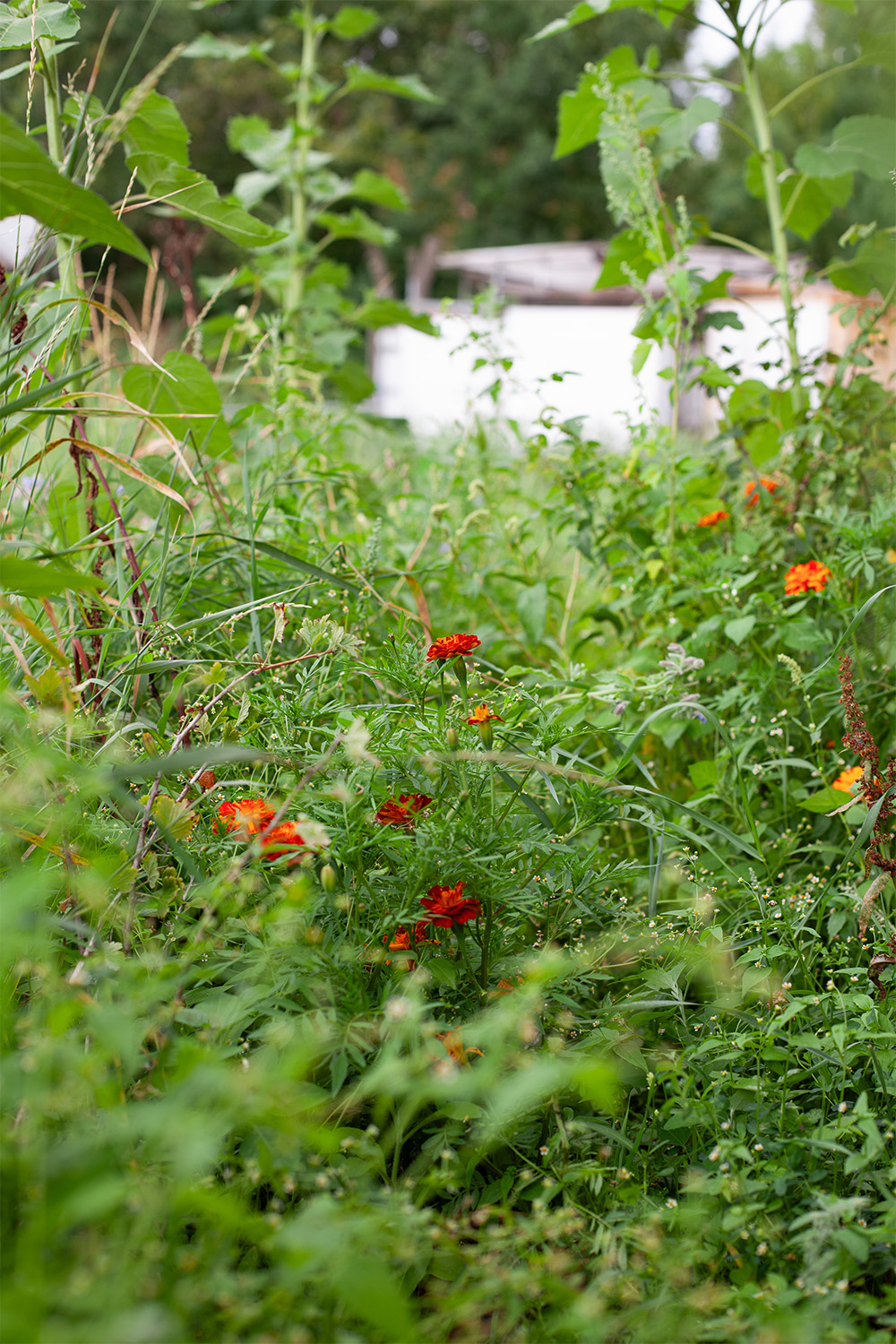
Rose and Berry Grove growing in the Floating Kitchen Garden. Photo (s) Ru, Studio Selva (2026)
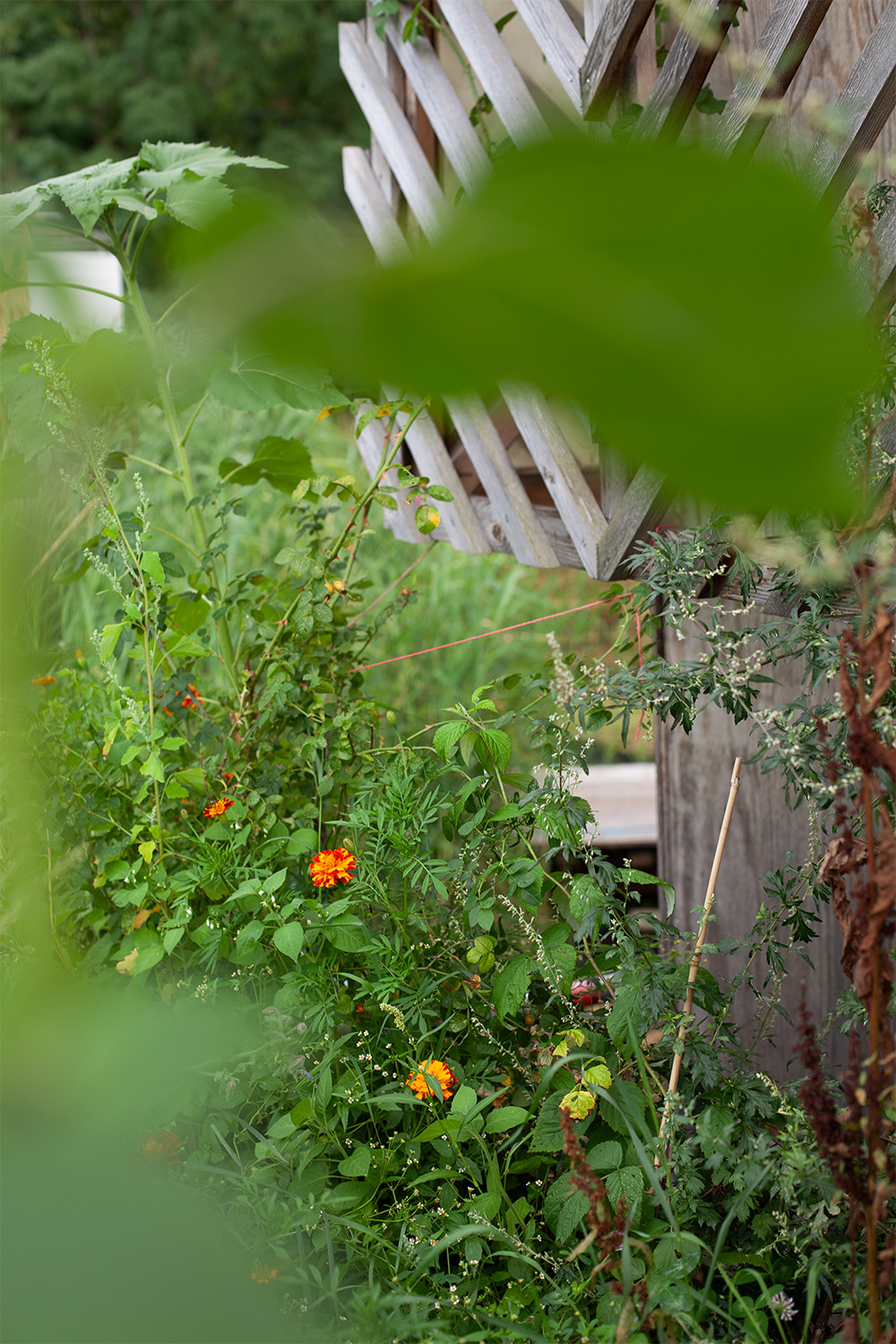
Rose and Berry Grove growing in the Floating Kitchen Garden. Photo (s) Ru, Studio Selva (2026)
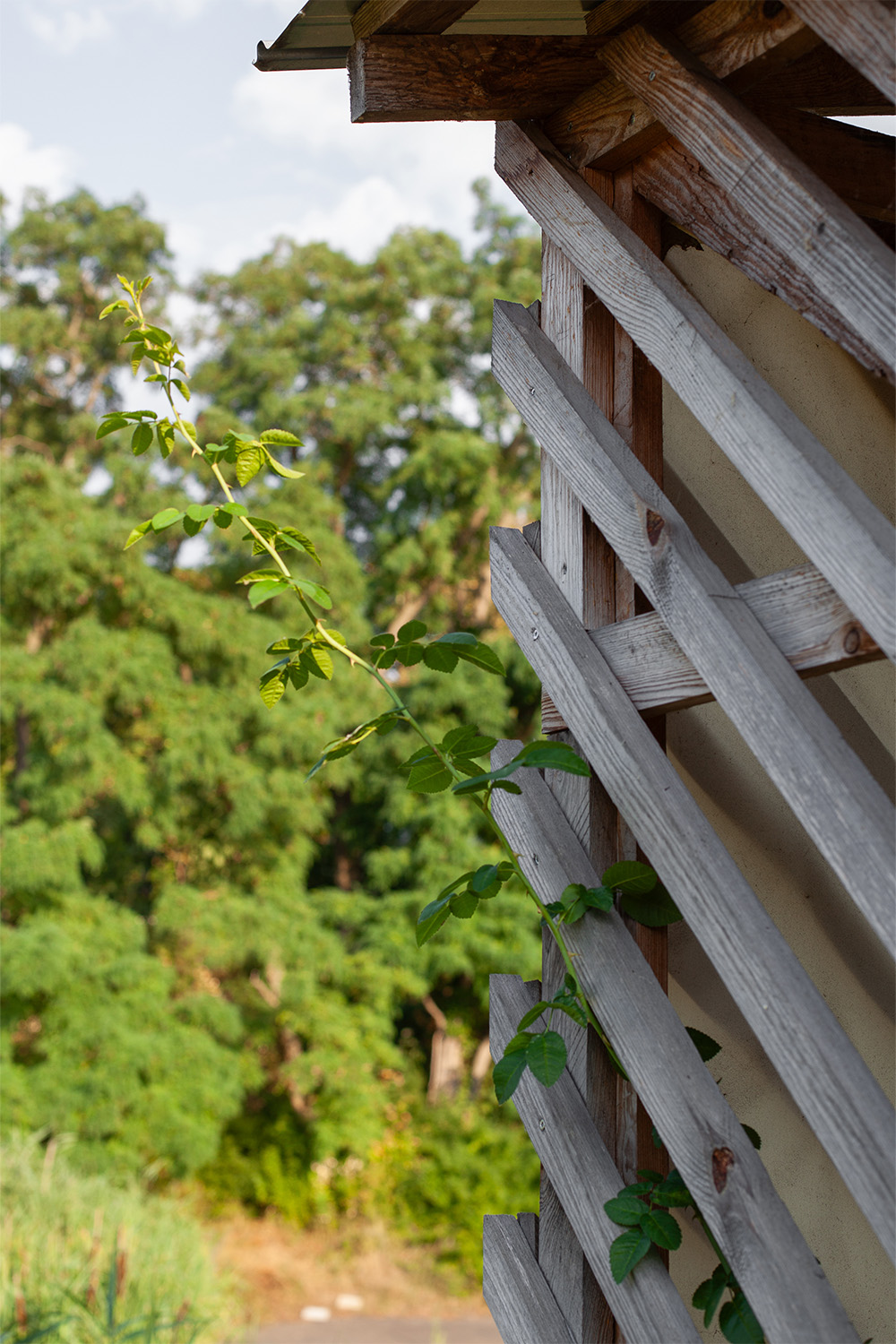
Rose and Berry Grove growing in the Floating Kitchen Garden. Photo (s) Ru, Studio Selva (2026)
Before the advent of industrial agriculture, berries and rose hips were part of the local edible Commons: growing spontaneously and accessible to both human and animal communities, they were also cultivated locally and consumed fresh in season. Surplus harvests were often dried or preserved to sustain communities through the winter months. They provided an important accessible seasonal food source to both human and animal communities, supplying energy, vitamins, and nutrients.
Growing in the kitchen garden that is also frequently visited by pollinators and birds, Rose and Berry Grove revisits this historical role by reintroducing these resilient shrubs into the urban landscape as an accessible, interspecies food source. The grove draws on the same species of berry bushes and wild roses that already grow spontaneously on the inaccessible terrain surrounding the basin, reinforcing existing ecological relationships within the site. Selected flowers and spontaneous vegetation provide forage and habitat for target pollinator species.
Rose and Berry Grove are made possible through the generous financial support for materials provided by Anstiftung (2026).
Rose and Berry Grove coordination and text: Lorene Blanche